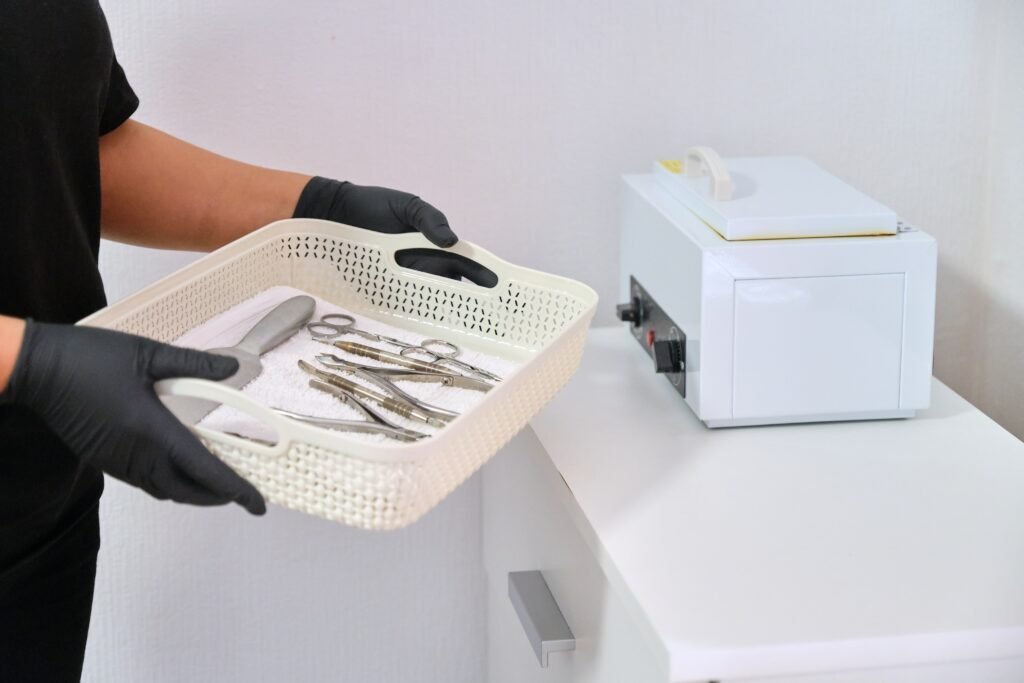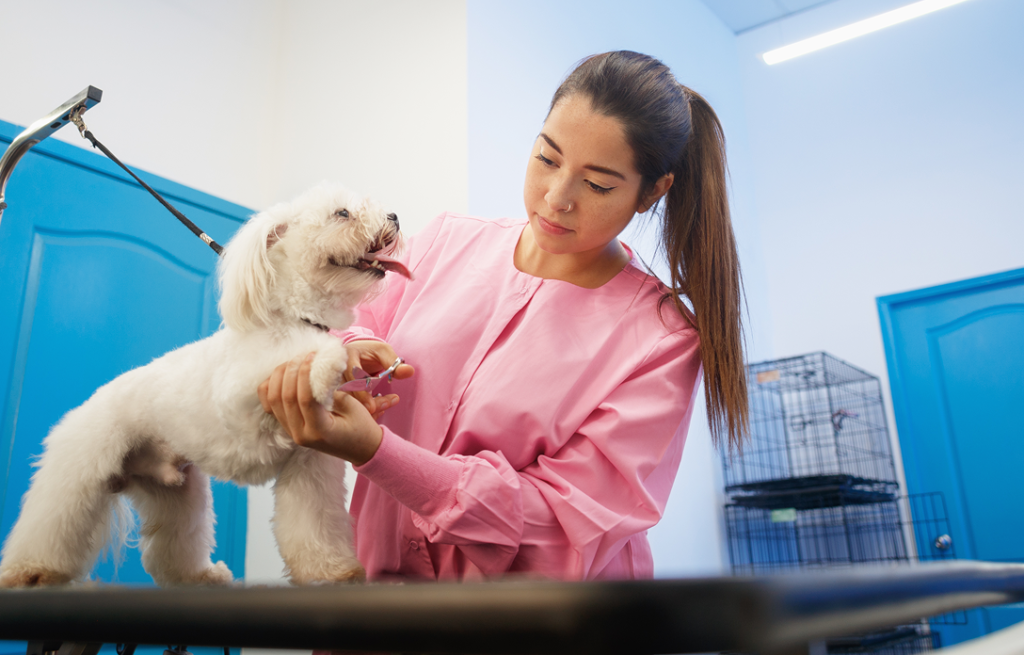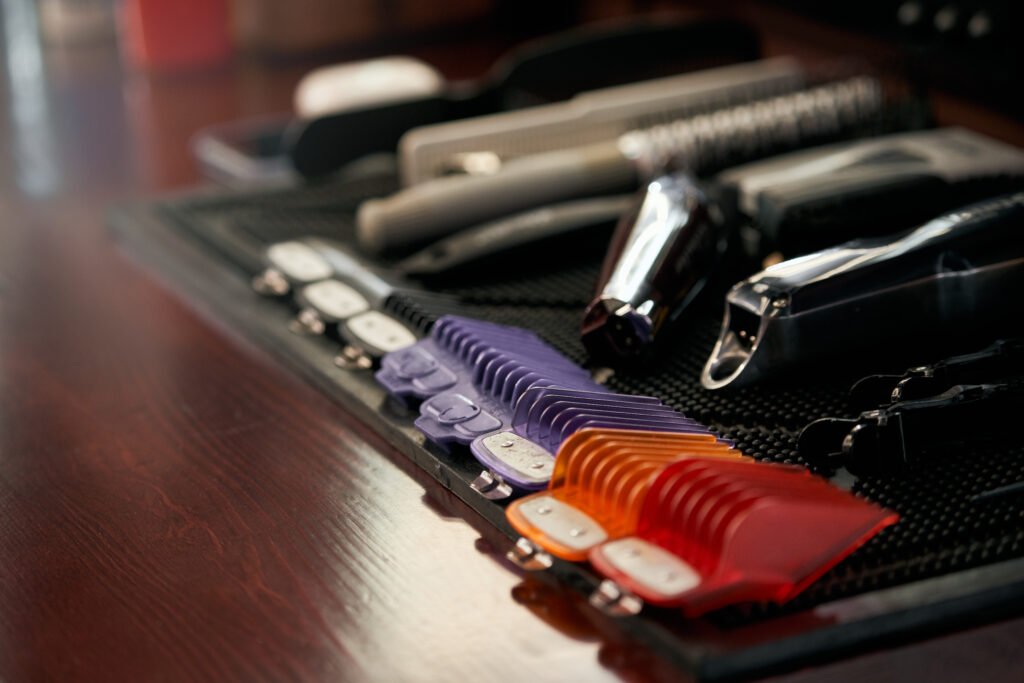
OVERVIEW
The Equipment Maintenance Schedule exists to keep grooming equipment available, cleanable, serviceable, and properly documented. Instead of relying on universal maintenance intervals, it directs businesses to use current manufacturer manuals, warranties, qualified service requirements, installer documentation, insurer requirements, applicable authorities, and actual operating conditions when establishing maintenance tasks and timing.
The schedule organizes equipment information, preventive maintenance requirements, completed work, parts used, service providers, next-due dates, and out-of-service decisions. It also provides a structured approach to identifying backups, service adjustments, shutdown responses, and potential replacement candidates. The system can be applied to personal grooming tools, shop equipment, mobile assets, and equipment across multiple locations while keeping cleaning, disinfection, safety, and facility procedures within their respective SOPs.
WHAT YOU'LL LEARN:
- How to establish an equipment asset register.
- How to build maintenance schedules from manufacturer and qualified service requirements.
- How to assign maintenance tasks only to trained and authorized personnel.
- How to document completed maintenance and parts used.
- How to record equipment conditions and performance changes without assuming an unverified cause.
- How to identify equipment requiring removal from service.
How to document return-to-service approval after inspection, repair, testing, and documentation. - How to plan backups, downtime responses, and service adjustments.
- How to evaluate repair versus replacement considerations.
- How to review overdue work, repeated failures, and replacement candidates.
BUSINESS BENEFITS
A structured maintenance schedule improves equipment readiness, documentation, accountability, and service continuity. Recording asset identification, manuals, warranties, service contacts, maintenance requirements, completed work, parts, and next-due dates gives the business a consistent way to track equipment condition and assigned responsibilities. Out-of-service and return-to-service records help prevent continued use when equipment may affect safety, sanitation, quality, warranty, property, or reliable operation. Regular management review also helps identify overdue work, repeated failures, incompatible parts, backup needs, and equipment that may require replacement consideration.
RECOMMENDED FOR
- Grooming Salon Owners
- Managers
- Mobile Groomers
- Individual Groomers
- Mobile Grooming Businesses
- Multi-Location Grooming Businesses
- Franchise Operations
- Veterinary Grooming Department Managers
- Multi-Location Managers
- Franchise Managers
IMPLEMENTATION NOTES
Begin by recording each asset, including its model, serial number, location or owner, manual and warranty location, and service contact. Review the current manufacturer and qualified service requirements, then assign authorized personnel or providers and establish the applicable maintenance triggers. Record completed work, parts, observations, and follow-up requirements. Define backup or shutdown responses for critical equipment, and document out-of-service and return-to-service decisions. Use the related cleaning, disinfection, inventory, contractor, equipment, vendor, and readiness procedures where applicable.