OVERVIEW
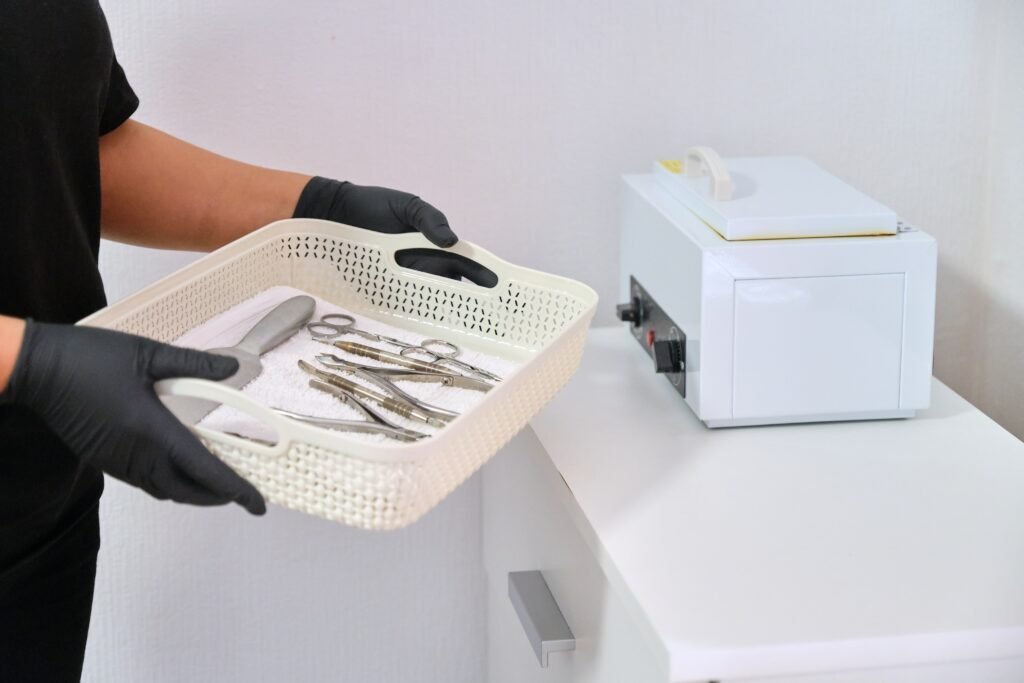
The Clippers, Blades, Shears, and Maintenance List expands the personal-tool baseline into a structured cutting-tool management system. It helps businesses and individual groomers maintain enough compatible and serviceable equipment for their approved service mix and workload while accounting for backups, cleaning and disinfection turnaround, cooling, sharpening, repair, replacement parts, and service availability.
The guide provides registers and worksheets for clippers, blades, guard combs, and shears, along with maintenance and service planning. It also establishes criteria for removing damaged, unreliable, excessively hot, contaminated, or otherwise unsuitable tools from service. By documenting ownership, compatibility, service status, maintenance supplies, sharpening contacts, backups, and return-to-service authority, the system supports clearer equipment accountability and reduces avoidable interruptions.
WHAT YOU'LL LEARN:
- How to select cutting tools based on task, fit, weight, balance, vibration, coat type, compatibility, and service needs.
- How to document primary clippers, backup clippers, detail tools, batteries, chargers, and manufacturer-approved wear parts.
- How to organize blade and guard-comb rotation around actual service and workload requirements.
- How to separate clean reserve, sharpening or repair, and reorder needs.
- How to document primary and backup coverage for different shear types and lengths.
- How to plan manufacturer-compatible maintenance supplies, parts, batteries, and chargers.
- How to identify when a tool should be removed from service.
- How to assign maintenance, sharpening, repair, ownership, and return-to-service responsibilities.
- How to avoid compatibility problems involving blades, combs, chargers, and parts.
- How to maintain records for equipment ownership, serial numbers, identifying marks, and inventory review.
BUSINESS BENEFITS
A standardized cutting-tool management system improves consistency by documenting compatible equipment, primary and backup tools, rotation needs, maintenance supplies, service providers, and equipment status. It supports clearer accountability by recording ownership, serial numbers, identifying marks, maintenance responsibilities, and return-to-service authority. Planned blade and shear rotation helps maintain coverage while tools are being cleaned, sharpened, repaired, or otherwise unavailable. Clear removal-from-service criteria also help prevent damaged, unreliable, excessively hot, or otherwise unsuitable equipment from remaining in active use.
RECOMMENDED FOR
- Individual professional groomers
- Grooming salon owners
- Grooming businesses
- Mobile groomers
- Businesses managing multiple grooming tool sets
- Groomers evaluating cutting-tool compatibility and backups
- Businesses establishing equipment maintenance and service records
IMPLEMENTATION NOTES
Begin by documenting each clipper, trimmer, blade, guard comb, and shear according to its intended task, compatibility, ownership, backup status, and service condition. Establish blade and guard-comb rotation based on actual services, peak use, cleaning and disinfection turnaround, sharpening, damage, and backup requirements. Record shear coverage and ensure backups are available before primary tools are sent for service. Maintain appropriate maintenance supplies, approved parts, sharpening and repair contacts, and equipment records. Remove and label tools that meet the stated removal criteria. Only trained and authorized persons should perform adjustments or repairs, with specialized or safety- and warranty-related work handled by qualified service providers.