OVERVIEW
Grooming tools move from pet to pet throughout the day and can transfer hair, skin debris, dirt, saliva, urine, feces, blood, fleas, parasites, bodily fluids, and other contamination when they are not properly cleaned and disinfected. Tool condition can also affect grooming quality and safety.
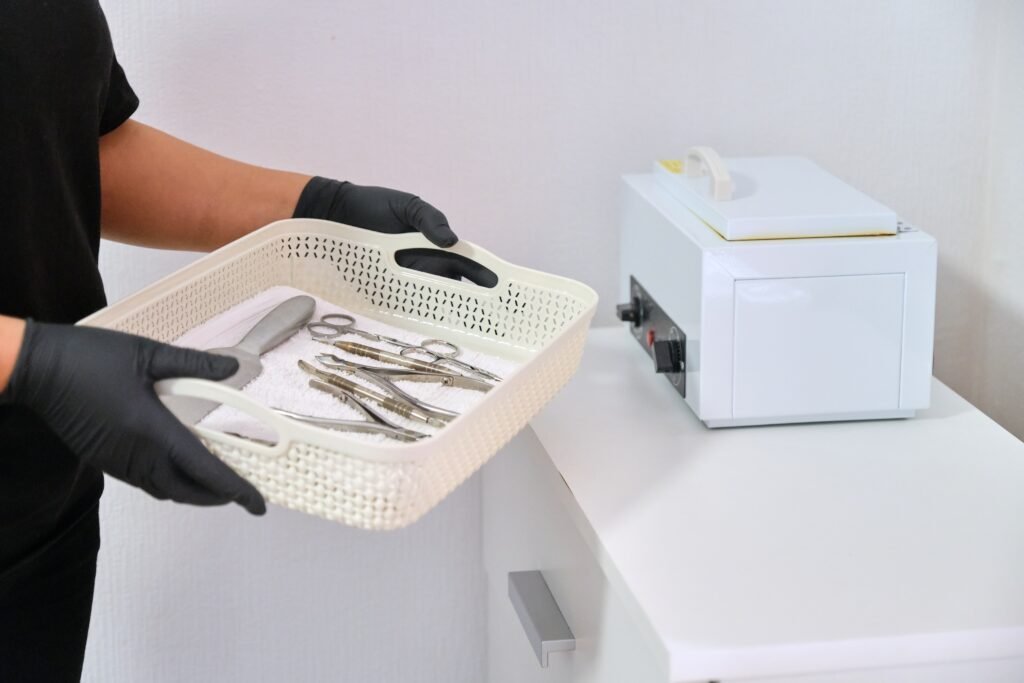
This SOP establishes procedures for cleaning tools before disinfection, maintaining clippers and blades, caring for shears, inspecting guard combs, cleaning nail tools and Dremels, handling hemostats and ear tools, and managing tools used on pets with contamination or possible contagious concerns.
It also establishes processes for separating clean and dirty tools, removing damaged equipment from service, completing end-of-day tool resets, maintaining station accountability, and documenting sharpening, repairs, missing tools, replacement parts, and tool-related incidents.
WHAT YOU'LL LEARN:
- How to remove hair and debris before disinfecting tools
- How to maintain and inspect grooming clippers
- How to clean, oil, inspect, and maintain blades
- How to identify signs of blade drive wear
- How to maintain and safely store shears
- How to inspect combs, brushes, and guard combs
- How to clean and inspect nail clippers and Dremel tools
- How to handle hemostats and ear tools
- How to clean tools used on contaminated pets
- How to separate clean, dirty, drying, repair, and out-of-service tools
- How to complete an end-of-day tool reset
- How to document sharpening, repairs, missing tools, and equipment concerns
BUSINESS BENEFITS
A consistent tool sanitation and maintenance process helps keep grooming equipment clean, dry, properly maintained, and ready for use. The SOP supports cross-contamination prevention, safer tool handling, consistent station resets, and better equipment accountability. Regular inspection helps identify dull, damaged, rusty, loose, broken, contaminated, or otherwise unsafe tools before continued use. Documentation also provides a defined way to track sharpening, repairs, replacement parts, missing tools, clipper maintenance, blade drive replacement, and tool-related incidents.
RECOMMENDED FOR
- Groomers
- Bathers
- Grooming Assistants
- Salon Owners
- Managers
- Mobile Groomers
- Veterinary Grooming Departments
- Training Staff
IMPLEMENTATION NOTES
Implement this SOP as part of the daily grooming-station workflow. Clean tools before disinfection, separate clean and dirty equipment, inspect tools regularly, and remove damaged or unsafe equipment from service. Complete the end-of-day tool reset and use the Blade, Shear, and Tool Checklist to document applicable tasks. Follow the related sanitation, parasite-response, incident-reporting, and injury-response procedures when applicable.