OVERVIEW
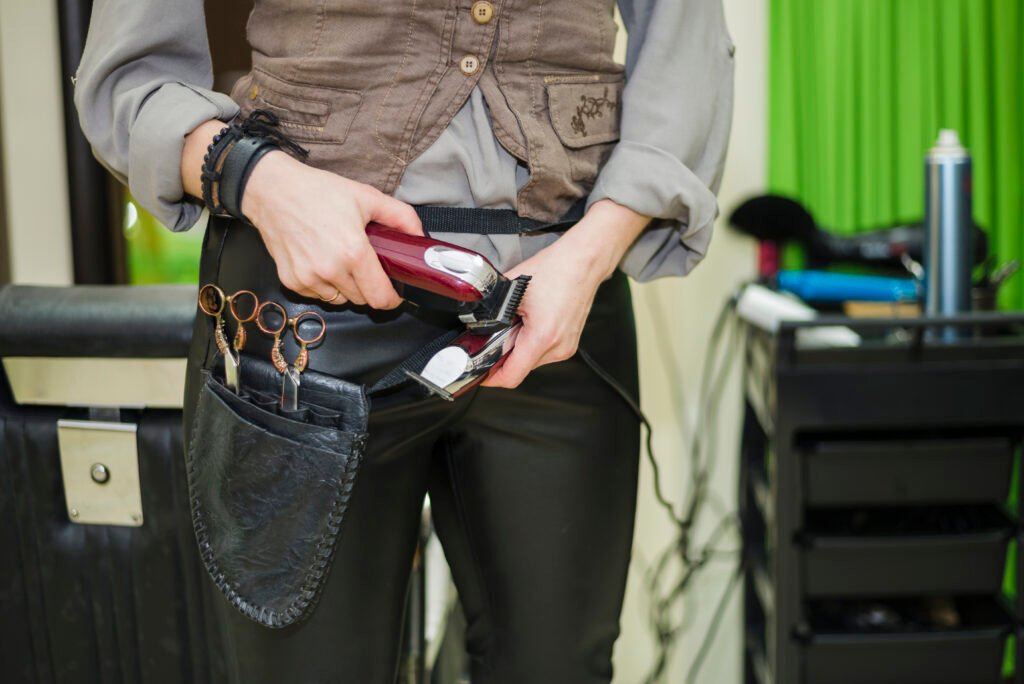
The Mobile Grooming Equipment List provides a structured method for matching professional grooming equipment to the verified limitations of a mobile grooming unit. Equipment must not only fit inside the vehicle; it must also remain within documented payload and operating limits and have appropriate access to power, water, wastewater systems, ventilation, climate control, storage, maintenance, and service.
The guide covers core grooming equipment, bathing and water systems, power and climate considerations, secure storage, technology, and critical recovery equipment. It also provides a process for documenting equipment dimensions, weight, utility requirements, secure locations, current quotes, approval status, service contacts, and failure alternatives. The list emphasizes reviewing actual manufacturer information, unit documentation, qualified professionals, insurers, and applicable authorities rather than relying on visual fit or universal equipment assumptions.
WHAT YOU'LL LEARN:
- How to document the verified limits and operating conditions of a mobile grooming unit.
- How to evaluate core grooming and bathing equipment for mobile use.
- How to review fresh-water, wastewater, pump, heater, filtration, and leak-response requirements.
- How to assess power, climate, ventilation, detection, and fire/life-safety equipment needs.
- How to plan secure storage and movement control for tools, equipment, chemicals, batteries, towels, and waste.
- How to identify technology and business equipment needed within the mobile unit.
- How to document critical spares, alternate equipment, storage locations, and service contacts.
- How to evaluate equipment dimensions, weight, utility needs, secure locations, and current quotes before purchasing.
- How to identify shutdown conditions when equipment failure prevents safe or humane operation.
- How to document unit readiness, equipment review, approvals, warranties, and qualified or jurisdiction-specific reviews.
BUSINESS BENEFITS
A structured mobile equipment planning process improves consistency by requiring equipment to be evaluated against the actual unit rather than visual fit alone. Documenting space, weight, utility, storage, service, and movement requirements helps clarify whether equipment can be safely secured, operated, cleaned, and maintained. Critical spare and recovery planning also provides a documented response when essential systems fail. Recording current quotes, warranties, service contacts, and approval status improves purchasing and equipment accountability. The guide also supports clearer separation between equipment planning and the broader mobile grooming procedures addressed in Category 9.
RECOMMENDED FOR
- Mobile groomers
- Groomers preparing a new mobile unit
- Groomers replacing or upgrading a mobile unit
- Businesses planning equipment for a mobile grooming operation
- Businesses reviewing equipment against an existing mobile unit
- Businesses requiring documented equipment and recovery planning for mobile operations
IMPLEMENTATION NOTES
Begin with the Mobile Unit Profile and verify payload, interior dimensions, water and wastewater capacity, power availability, climate and ventilation systems, fuel requirements, and qualified review requirements. Review each equipment category against the unit's documented limits, including space, weight, utilities, secure storage, cleaning access, and service requirements. Plan clean, used, contaminated, and out-of-service storage separately and document critical spares and shutdown conditions. Record quotes, warranties, and service contacts before approval. Use the related SOPs for single-groomer equipment, bathing systems, dryer selection, maintenance, drying safety, and heat-stress safety. Category 9 remains responsible for full mobile setup and operations.